 English
 Pусский
 Español
 Türkçe
 عربي
عربي 
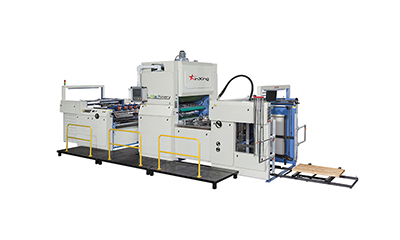
Industrial roll laminating machines are essential equipment in modern manufacturing, designed to apply a protective or decorative film onto various substrates in a continuous, high-efficiency process. Widely used in printing, packaging, advertising, and industrial material processing, these machines help enhance product durability, appearance, and value.
The Basics of Industrial Roll Laminating Machines
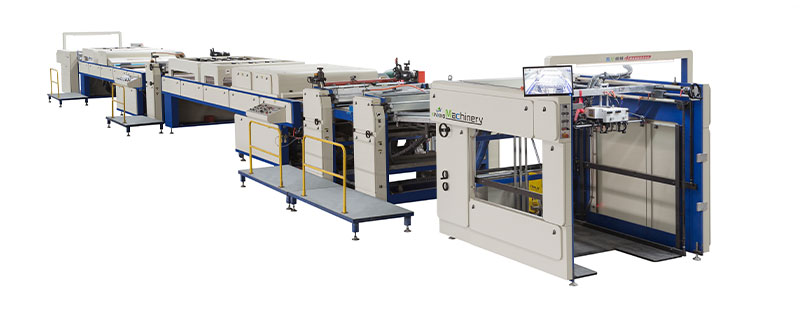
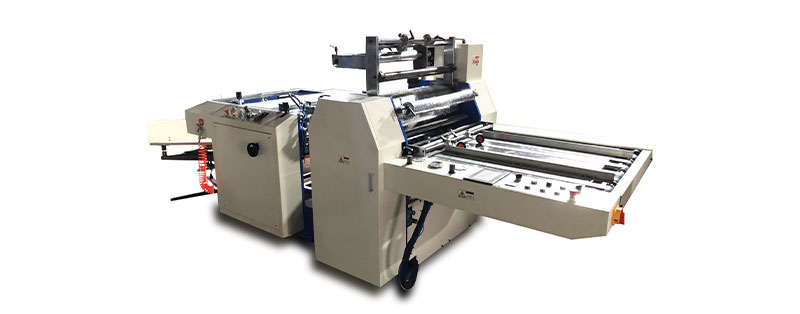
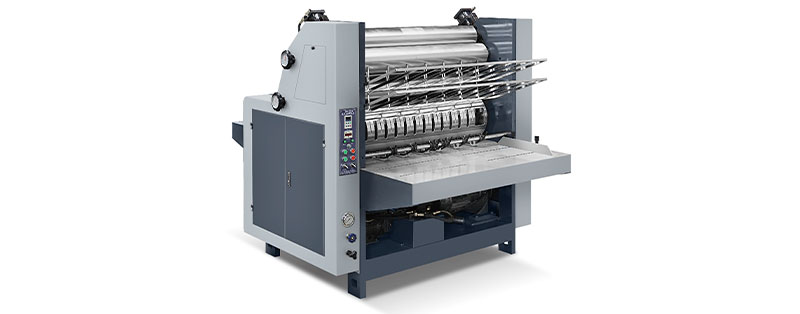
An industrial roll laminating machine works by bonding a laminating film to a substrate using heat, pressure, or adhesive, depending on the lamination method. The entire process is continuous and automated, making it ideal for large-scale production.
Main Working Components
1. Unwinding System
The base material (paper, film, foil, or other substrates) and the laminating film are fed into the machine from rolls. Advanced machines often use shaftless or automatic unwinding systems for easy loading and stable tension control.
2. Heating System
For thermal lamination, heated rollers activate the adhesive layer on the film. Accurate temperature control ensures strong bonding without damaging the material. Cold lamination models skip this step and rely on pressure-sensitive adhesives instead.
3. Pressure (Laminating) Rollers
The substrate and film pass through high-precision pressure rollers, which press them together evenly. This step eliminates air bubbles and ensures a smooth, flat finish.
4. Rewinding or Cutting System
After lamination, the finished material is either rewound into rolls or cut into sheets, depending on the production requirement.
This streamlined workflow allows industrial roll laminating machines to deliver consistent quality, high speed, and excellent surface finish.
The Basics of Industrial Roll Laminating Machines
Modern industrial laminators are equipped with PLC control systems and touch-screen interfaces, enabling operators to precisely adjust speed, temperature, and pressure.
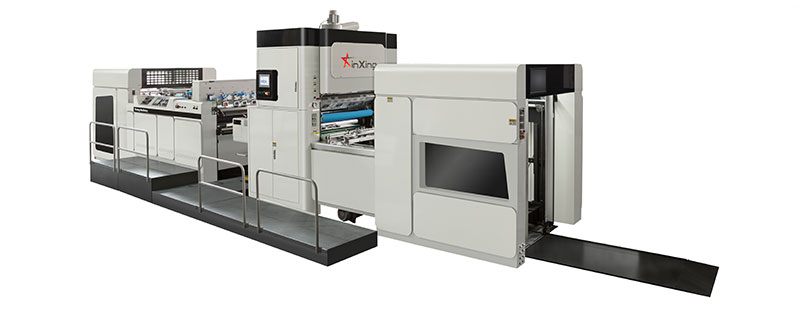
At this stage, Xinxing’s Roll Laminating Machine stands out for its robust construction and intelligent control design. According to Xinxing’s product specifications, their machines are engineered for:
♦ Stable high-speed operation
♦ Precise temperature and pressure control
♦ Compatibility with multiple materials and film types
♦ Reliable performance in long, continuous production runs
These features make Xinxing roll laminating machines especially suitable for professional printing houses and industrial manufacturers that demand efficiency and consistent lamination quality.
Applications of Roll Laminating Machines
Thanks to their versatility and productivity, industrial roll laminating machines are widely used across multiple industries:
Printing Industry: Used for laminating book covers, brochures, posters, and magazines to enhance visual appeal, scratch resistance, and water resistance.
Packaging Industry: Lamination improves packaging strength, moisture resistance, and shelf life, making it ideal for cartons, labels, and flexible packaging materials.
Advertising & Signage: Large-format posters, banners, and display graphics are laminated to protect against UV exposure, moisture, and wear, especially for outdoor use.
Industrial & Functional Materials: Roll laminators are also used for bonding specialty films, decorative materials, and composite layers. In these applications, Xinxing’s Roll Laminating Machine is valued for its ability to handle wide materials and maintain uniform lamination quality across long production cycles.
Conclusion
An industrial roll laminating machine works by continuously combining film and substrate through controlled heat and pressure, delivering high-quality lamination at scale. Its automated design, precision control, and high efficiency make it indispensable in printing, packaging, advertising, and industrial manufacturing.
With advanced engineering and reliable performance, Xinxing Roll Laminating Machines provide a practical solution for businesses seeking stable operation, excellent lamination results, and long-term productivity.
FAQ
Q1: What materials can an industrial roll laminating machine handle?
It can laminate paper, cardboard, plastic films, PVC, PET, foil, and other flexible substrates.
Q2: What is the difference between hot and cold roll lamination?
Hot lamination uses heat to activate adhesive, while cold lamination relies on pressure-sensitive adhesive without heating.
Q3: Is an industrial roll laminating machine suitable for large-format materials?
Yes. Industrial models are designed for wide widths and continuous roll-to-roll production, making them ideal for large-format applications.
Q4: Why choose Xinxing’s Roll Laminating Machine?
Xinxing machines offer precise control, durable construction, and flexible configurations, making them suitable for both standard and high-demand industrial lamination tasks.